Parents often use taxis for school runs, airport transfers or unexpected journeys. Is a child car seat or booster required in a taxi, and does the driver have to provide one? This guide sets out the rules and how to ask for a seat.
The general rules
The rules below are from GOV.UK and apply in England, Scotland and Wales. Northern Ireland’s rules are on nidirect.
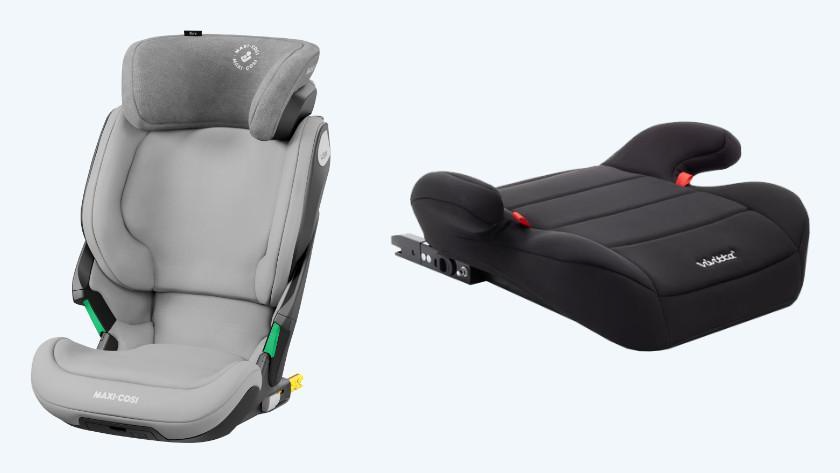
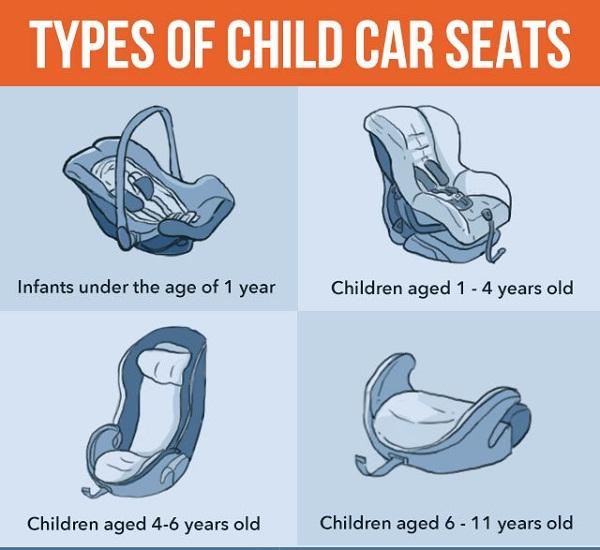
- Children must normally use a child car seat until they are 12 years old or 135 cm tall, whichever comes first.
- Children over 12, or taller than 135 cm, must wear a seat belt.
Choose a seat by your child’s height (seats labelled “E” and “R129”) or weight (seats labelled “E” and “ECE R44”). Height-based seats must face backwards until the child is over 15 months old.
The rules in taxis and minicabs
Different rules apply in licensed taxis and minicabs (private hire vehicles). If the driver does not provide the correct child car seat, children can travel without one, but only on a rear seat:
- Children under 3 must travel on a rear seat without a seat belt.
- Children aged 3 or over must travel on a rear seat and wear an adult seat belt.
The same taxi exemption applies in Northern Ireland.
This is a legal exemption, not a recommendation. It applies only in licensed taxis and minicabs, not in private cars.
How to request a child seat
Child seats are not commonly available in app-booked cars. Uber, for example, advises UK riders to bring their own, and drivers can decline if no suitable seat is available. If you book with a local operator, ask whether it can provide the right seat and confirm this before the journey.
When you book with an operator:
- Say that you are travelling with a child and give the child’s height or weight, so the operator knows which type of seat is needed.
- Ask whether the operator can provide that seat.
- Get confirmation before the journey, and check again by phone or message if you are unsure.
- If the operator cannot confirm a seat, bring your own.
If the seat is unavailable
If the car arrives without the right seat, your child can still travel in a licensed taxi or minicab, but only as follows:
- children under 3: on a rear seat, without a seat belt;
- children aged 3 or over: on a rear seat, wearing an adult seat belt;
- children over 12, or taller than 135 cm: must wear a seat belt, as adults do.
If you buy a portable booster, check it carries the “E” label with R129 or ECE R44. New backless booster cushions are only made for heavier children (group 3, 22 kg and over).
Practical advice for parents
- book in advance and confirm the seat, especially before an airport trip;
- check that the seat is fitted securely before setting off;
- fasten your child in yourself, even if the driver fitted the seat;
- remember the rule is 12 years old or 135 cm, whichever comes first, so measure your child;
- if you use taxis regularly, consider your own approved portable seat or booster.
Summing up
In a licensed taxi or minicab, a child can travel without a car seat if the driver does not provide one, but only on a rear seat: without a seat belt if under 3, with an adult seat belt if 3 or over. Child seats are not commonly available in app-booked cars, so ask the operator in advance and bring your own if a seat cannot be confirmed.